

Product Finder










- Alara
- Asilia Salt
- Bethlehem Baubles
- Black Mamba
- Café Direct
- Cajuu Cashew Nuts
- Divine
- Equal Exchange
- Fair To Trade
- Island Bakery
- Mama Buci Zambian Honey
- Namaste
- Planet Wrap It
- Rounton Coffee Roasters/We Are Fair Trade
- Serious Tissues
- Shared Earth
- Steenbergs
- Suma Wholefoods
- Traidcraft
- We Are Fair Trade
- Zaytoun
Is the honey in your cupboard actually real?
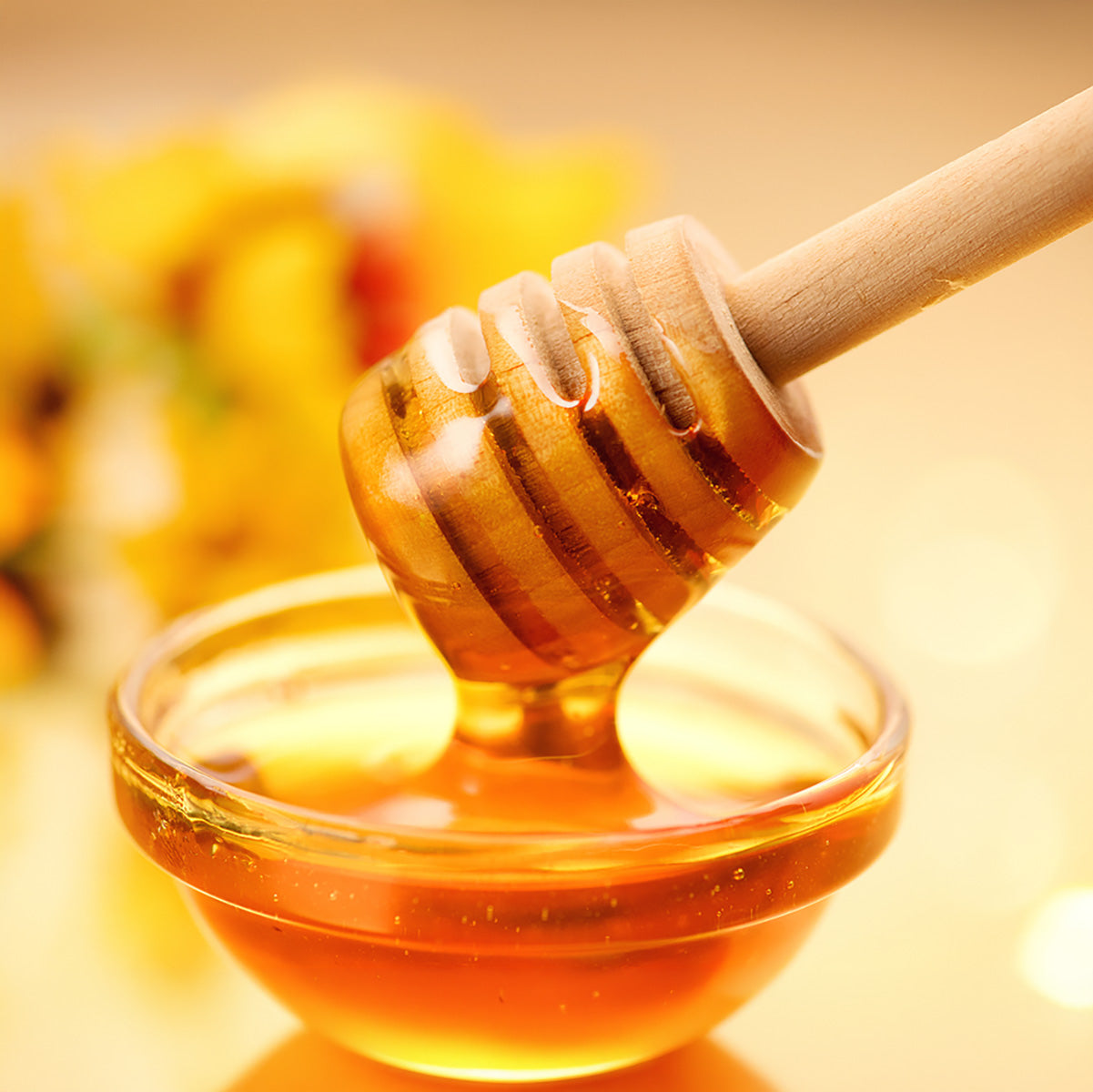

What UK shoppers need to know about the fake honey scandal
If you buy a jar of supermarket honey, there's a strong chance it isn't really what it says on the label. That's not a conspiracy theory. It's the conclusion of major food investigations on both sides of the Channel, and it matters to anyone who buys honey in a British supermarket.
Here's the basic scam: dishonest producers bulk out real honey, or replace it entirely, with cheap sugar syrups made from rice, wheat, or sugar cane. The result looks convincing, often tastes fine, and can be sold for a fraction of the price of genuine honey. British beekeepers, who can't compete on price, lose business. And shoppers pay for honey they're not actually getting.
When European authorities tested honey shipments arriving at the border, nearly half were flagged as likely fake. Every single UK re-export sample in that study failed.
The problem is hard to crack because there's no single lab test that can catch every method of fraud. Fraudsters have got smarter too, using "bio-engineered" syrups designed to sneak past standard checks. The UK's Food Standards Agency is actively developing better detection methods, but for now, the best defence is you and what you do in the supermarket aisle.
How to buy genuine honey in the UK
UK law requires that genuine British honey says "produced in the UK" on the label. If it only says "packed in the UK", the honey itself could be from anywhere.
Read the label carefully. Jars labelled "blend of honeys from more than one country" could contain honey from anywhere in the world — including high-risk sources. The vaguer the origin, the greater the risk.
Be sceptical of very low prices. A 340g jar for under £1 almost certainly cannot be genuine honey when you factor in the beekeeper, the jar, the label, and the supermarket's margin. If it seems too cheap, it probably is.
Choose single-origin honey. A jar that names a specific country, region, or even a blossom type (like Oxfordshire wildflower or Scottish heather) is far more traceable — and far harder to fake — than a generic blend.
Buy from a local beekeeper. Farmers' markets, farm shops, and National Trust properties are great places to find verified British honey. You can ask the producer directly about their bees and methods — something no supermarket jar can offer.
Look for certification (especially for manuka). If you're buying manuka honey — which commands premium prices and is particularly prone to fraud — look for the UMF™ certification mark, which confirms it was genuinely produced and tested in New Zealand.
Consider raw or unpasteurised honey. Heavily processed honey has often been heated and filtered, which destroys the natural pollen that helps prove its origin. Raw honey — cloudier, thicker, and richer in flavour — is harder to adulterate convincingly.
The good news? Genuinely great British honey exists — it just takes a little more effort to find. Your local beekeeper will almost certainly thank you for it.
Featured Products


Give a little dignity this Christmas
Add a food bank voucher and we'll turn it into toilet paper for our local food bank.
Thank you. Your £0 voucher will help us support our local food bank.